
Introduction
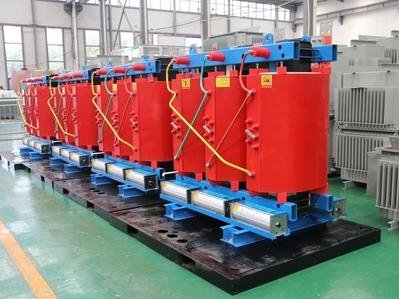
Epoxy resin dry-type transformers have emerged as a pivotal innovation in the field of electrical engineering, offering a safer, more efficient, and environmentally friendly alternative to traditional oil-filled transformers. These transformers utilize epoxy resin as both an insulating medium and a structural support, eliminating the risks associated with oil leakage and fire hazards. This article delves into the construction, working principles, advantages, applications, and future trends of epoxy resin dry-type transformers.
Construction and Working Principles
Core and Windings
The core of an epoxy resin dry-type transformer is typically made of laminated silicon steel, which minimizes eddy-current losses. The windings, usually composed of copper or aluminum conductors, are wound into layers and then vacuum-impregnated with epoxy resin. This process ensures that the windings are free from air pockets and moisture, enhancing their dielectric strength and mechanical stability.
Epoxy Encapsulation
The epoxy resin is poured into a mold that encases the windings and core, forming a solid, homogeneous block. The curing process of the epoxy resin is carefully controlled to ensure uniform hardness and dielectric properties. The encapsulation not only provides insulation but also protects the internal components from environmental stresses, such as humidity and temperature fluctuations.
Cooling and Heat Dissipation
Epoxy resin dry-type transformers rely on air cooling for heat dissipation. Natural convection (AN) or forced air cooling (AF) methods are employed, depending on the load conditions. The heat generated by the windings is transferred through the epoxy resin into the metal tank and cooling fins, where it is dissipated into the surrounding air. This efficient cooling system ensures that the transformer operates within safe temperature limits, even under heavy load conditions.
Key Advantages
Enhanced Safety
One of the most significant advantages of epoxy resin dry-type transformers is their enhanced safety. The absence of oil eliminates the risk of fire and explosion, making them ideal for use in densely populated areas, such as hospitals, schools, and commercial buildings. Additionally, the epoxy resin is self-extinguishing and does not propagate flames, further enhancing their safety profile.
Environmental Sustainability
Epoxy resin dry-type transformers are environmentally friendly. Unlike traditional transformer oils, which can pose environmental risks, epoxy resins are typically non-toxic and recyclable. Their use reduces the carbon footprint of electrical systems and supports sustainable development goals.
Low Maintenance
These transformers require minimal maintenance compared to oil-filled units. The epoxy resin encapsulation prevents the ingress of moisture and contaminants, reducing the need for oil testing, filtration, and other maintenance activities. This not only lowers operational costs but also extends the lifespan of the transformer.
High Performance
Epoxy resin dry-type transformers exhibit excellent electrical and mechanical properties. They have high dielectric strength, ensuring reliable insulation between the windings and core. The epoxy resin also provides high mechanical strength, making the transformer resistant to short-circuit forces and other mechanical stresses.
Applications
Industrial and Commercial Power Distribution
Epoxy resin dry-type transformers are widely used in industrial and commercial power distribution systems. They are ideal for high-rise buildings, shopping centers, and industrial facilities where space is limited and safety is a top priority. Their compact size and lightweight design make them easy to install and maintain.
Renewable Energy Systems
In renewable energy systems, such as solar and wind power plants, epoxy resin dry-type transformers play a crucial role. They are used to step up or step down the voltage levels, ensuring efficient power transmission and distribution. Their ability to operate in harsh environmental conditions makes them suitable for outdoor installations.
Transportation
Epoxy resin dry-type transformers are also employed in transportation applications, such as electric locomotives and ships. Their lightweight design and high efficiency contribute to the overall performance of the transportation system, while their fire-resistant properties enhance safety.
Future Trends
Advanced Materials
Research is ongoing to develop advanced epoxy resins with even better dielectric and mechanical properties. These materials aim to further enhance the performance and reliability of dry-type transformers, making them suitable for higher voltage and power applications.
Smart Transformers
The integration of smart technologies into epoxy resin dry-type transformers is a growing trend. Smart transformers equipped with sensors and communication modules can monitor their own health and performance, providing real-time data to operators. This enables predictive maintenance and optimizes the operation of the electrical system.
Miniaturization
As the demand for compact and efficient power solutions increases, the miniaturization of epoxy resin dry-type transformers is becoming a focus. Smaller transformers with higher power densities are being developed to meet the needs of modern electrical systems, particularly in urban and densely populated areas.
Conclusion
Epoxy resin dry-type transformers represent a significant advancement in transformer technology. Their unique construction and working principles offer numerous advantages, including enhanced safety, environmental sustainability, low maintenance, and high performance. As the demand for reliable and efficient power distribution continues to grow, epoxy resin dry-type transformers are likely to play an increasingly important role in the future of electrical engineering.